
A Comprehensive Guide to SBA Loan Solutions for Small Businesses


Small businesses are the backbone of the economy, yet accessing the right financial resources can be challenging. One popular option for funding is the Small Business Administration (SBA) loan. These loans offer favorable terms and can be a lifeline for many entrepreneurs. In this guide, we'll explore the various SBA loan solutions available for small businesses, helping you make informed decisions.
What is an SBA Loan?
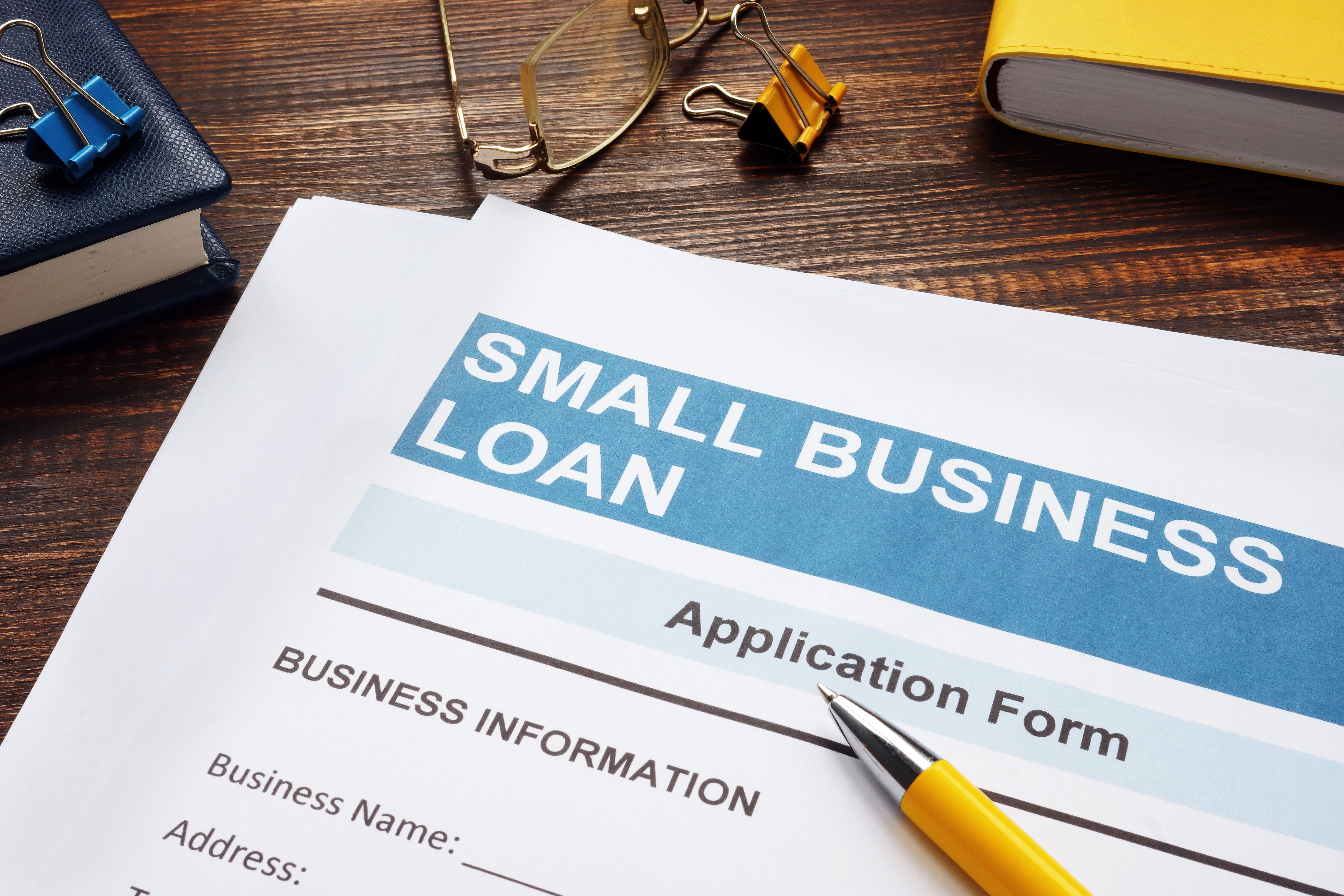
An SBA loan is a government-backed loan designed to help small businesses secure funding. The SBA partners with lenders to offer loans with lower interest rates and longer repayment terms compared to traditional loans. This support reduces the risk for lenders, making it easier for businesses to qualify.
Types of SBA Loans
The SBA offers several types of loans, each tailored to different business needs:
- SBA 7(a) Loan: The most common SBA loan, ideal for working capital, expansion, or purchasing equipment.
- SBA 504 Loan: Designed for purchasing real estate, machinery, or equipment. It requires a partnership between a Certified Development Company (CDC) and a lender.
- Microloans: These smaller loans are perfect for startups or small businesses needing up to $50,000.

Eligibility Requirements
Before applying for an SBA loan, it's essential to understand the eligibility criteria. Generally, your business must operate for profit, be located in the U.S., and meet the SBA's definition of a small business. Additionally, you must have reasonable owner equity and have exhausted other financial resources.
Application Process
The SBA loan application process can be detailed, but preparation can ease the journey. Here's a simple breakdown of the steps:
- Identify the specific loan program that fits your needs.
- Prepare the necessary documents, including business plans, financial statements, and tax returns.
- Submit your application through an SBA-approved lender.
- Work with your lender to finalize the terms and close the loan.

Benefits of SBA Loans
SBA loans offer numerous advantages, making them a popular choice among small business owners. They typically come with lower down payments, flexible overhead requirements, and no collateral for some loans. Additionally, the extended repayment terms can alleviate cash flow concerns.
Potential Drawbacks
While SBA loans are advantageous, they may not be suitable for everyone. The application process can be lengthy, requiring extensive paperwork and time. Additionally, the qualification criteria can be stringent, and not all businesses will meet the requirements.
Conclusion
Understanding the ins and outs of SBA loans can be a game-changer for your business. By exploring the various options and preparing adequately, you can secure the funding needed to propel your business forward. Consider consulting with a financial advisor or an SBA-approved lender to find the best solution for your unique needs.